How Weather Exposure Affects Masonry Wall Integrity
People seeking masonry wall repair often want to address damage caused by weather exposure, and local contractors can provide expert solutions to restore and protect their walls.
Understanding how weather exposure affects masonry wall integrity is essential for property owners looking to preserve the strength and appearance of their structures. In regions where temperature fluctuations, moisture, and seasonal changes are common, masonry walls can face unique challenges that may lead to cracking, deterioration, or even failure over time. Recognizing these factors helps property owners take proactive steps to protect their investments and avoid costly repairs down the line.
For those in the area, exploring this topic can reveal practical insights into how environmental conditions influence masonry health. Local contractors with experience in masonry repair can assess the specific effects of weather exposure on existing walls and recommend appropriate solutions to maintain their stability. Continuing to read can provide a clearer understanding of what to watch for and how professional services can help ensure long-lasting, durable masonry structures.
- Masonry Wall Repairs - homeowners noticing cracks or deterioration due to weather exposure can rely on local contractors to assess and restore masonry integrity.
- Repointing and Sealing - when mortar joints weaken from moisture infiltration, local pros can perform repointing and sealing to protect against further weather-related damage.
- Waterproofing Services - buildings showing signs of water penetration from weather exposure can benefit from waterproofing treatments offered by local masonry specialists.
- Crack Repair - if weather-related freeze-thaw cycles cause masonry cracks, local service providers can stabilize and repair affected walls effectively.
- Structural Reinforcement - in cases where weather exposure has compromised wall stability, local contractors can reinforce masonry structures to ensure long-term integrity.
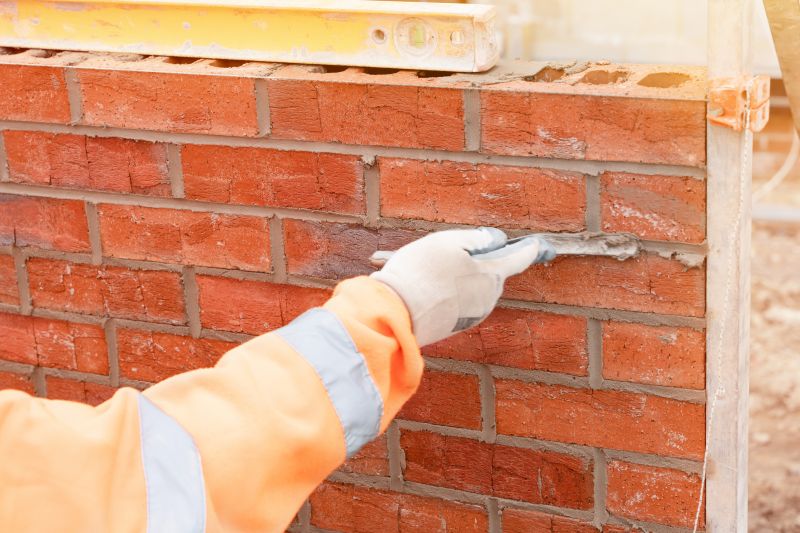
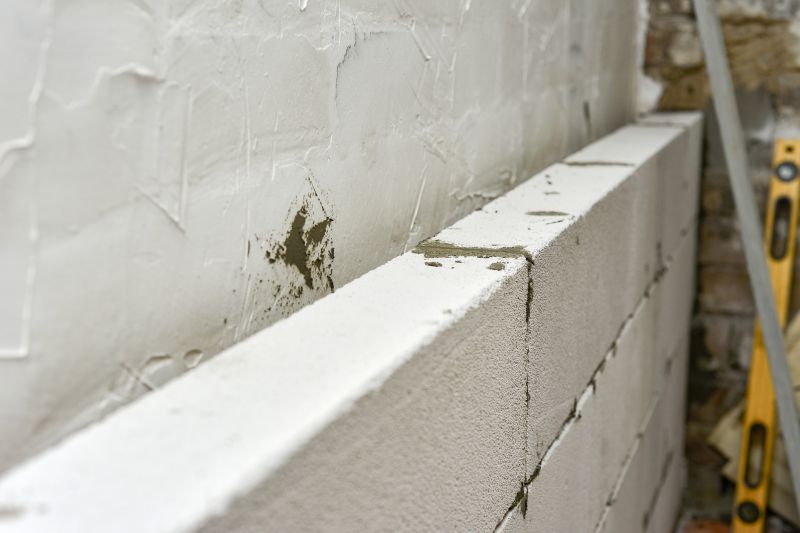
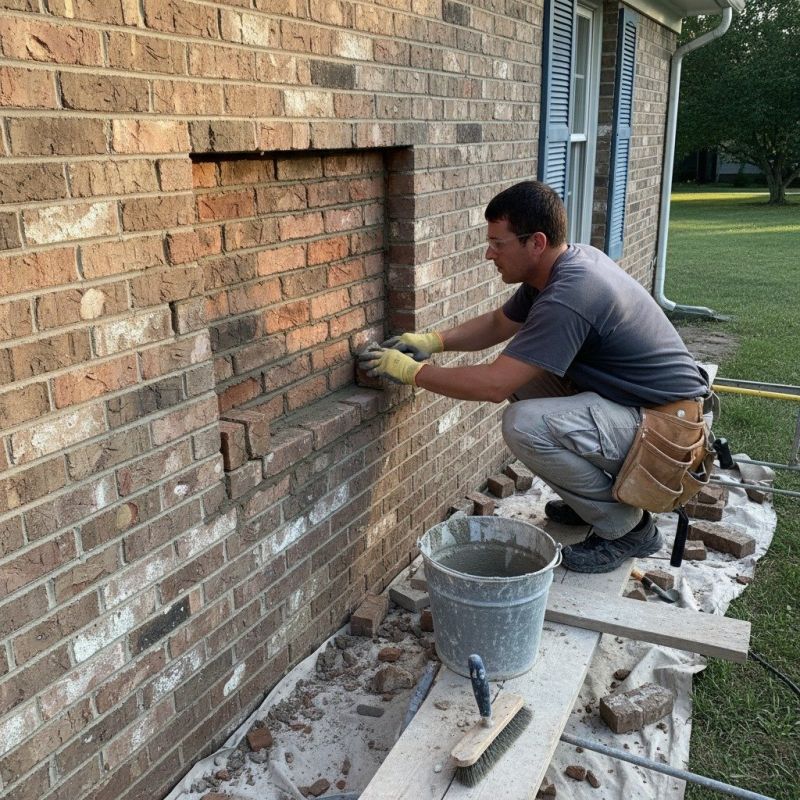
When people search for how weather exposure affects masonry wall integrity, they are usually trying to understand how outdoor conditions can influence the strength and durability of brick, stone, or concrete walls. This concern often arises when homeowners notice signs of damage or deterioration on their exterior walls, such as cracks, crumbling mortar, or staining. Many are interested in learning how different weather patterns-like rain, snow, freeze-thaw cycles, or temperature fluctuations-can weaken masonry over time. Understanding this connection helps property owners plan appropriate repairs or preventative measures to maintain the safety and appearance of their structures.
This topic is closely related to common masonry problems and renovation plans. For example, water infiltration caused by weather exposure can lead to mortar erosion, efflorescence, or even structural instability if left unaddressed. Homeowners may also be considering restoration projects to repair weather-related damage or prevent future issues. Knowing how environmental factors impact masonry helps in choosing the right repair strategies, such as sealing, waterproofing, or repointing. It also guides decisions about protective upgrades that can extend the life of exterior walls, especially in areas prone to harsh weather conditions.
The types of properties most often involved in discussions about weather effects on masonry include residential homes, especially older brick or stone houses, as well as commercial buildings, retaining walls, and boundary fences. These structures are exposed to the elements on a daily basis and are vulnerable to weather-related wear. Properties in regions with frequent rain, snow, or temperature swings tend to experience more noticeable effects. Homeowners with outdoor masonry features or those planning to restore or reinforce existing walls will find this information relevant, as it highlights the importance of proper maintenance and timely repairs to preserve property value and safety.
Connecting this topic to real projects, it’s clear that local masonry wall repair service providers play a crucial role in addressing weather-induced damage. They can assess how weather exposure has compromised a wall’s integrity and recommend appropriate repairs, such as repointing mortar joints, sealing surfaces, or replacing damaged bricks. These professionals understand how environmental factors influence masonry performance and can help property owners develop effective solutions. Whether dealing with minor cracks or more extensive deterioration, working with experienced local contractors ensures that repairs are tailored to withstand local weather conditions, ultimately helping to protect the structural integrity and appearance of the property.
Historic Building Restoration - Professionals experienced in restoring historic masonry structures understand how weather exposure impacts wall integrity and can implement appropriate preservation techniques.
Brick and Stone Masonry Repair - Local contractors specializing in brick and stone work are skilled in addressing weather-related damage that affects the strength and stability of masonry walls.
Waterproofing and Sealant Application - Service providers who focus on waterproofing can help protect masonry walls from moisture infiltration that accelerates weather-related deterioration.
Foundation Reinforcement - Experts in foundation repair are familiar with how weather exposure can weaken masonry foundations and can reinforce or stabilize affected structures.
Exterior Wall Restoration - Contractors specializing in exterior masonry restoration can assess and repair weather-damaged surfaces to restore wall integrity.
Structural Assessment Services - Local pros offering structural evaluations can identify weather-induced damage that compromises masonry wall stability and recommend appropriate repairs.
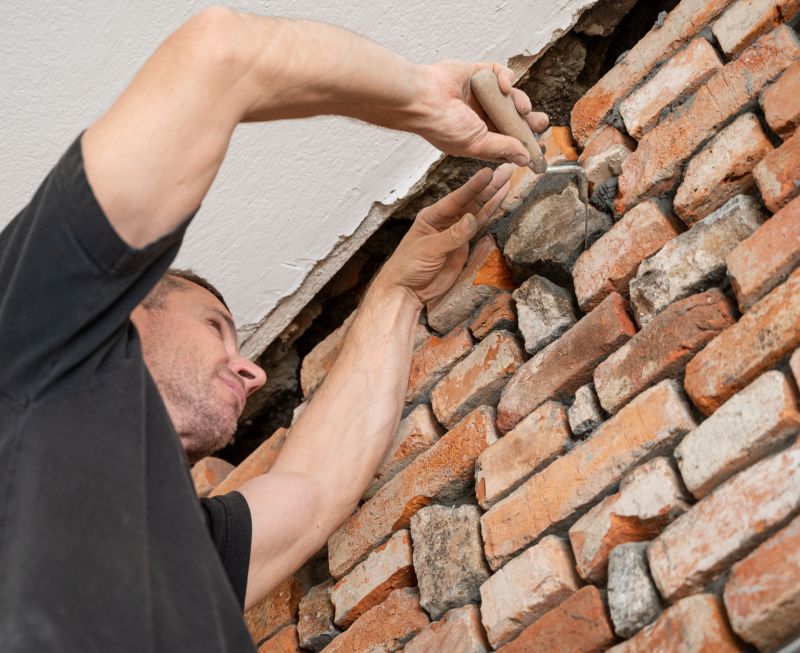
When evaluating masonry wall repair services, it’s important to consider the experience that local contractors have with similar projects. Masonry work can be complex, especially when addressing issues caused by weather exposure, such as cracking, spalling, or shifting. Service providers with a proven track record in handling weather-related masonry concerns are more likely to understand the specific challenges posed by local climate conditions and to recommend appropriate repair strategies. Asking about past projects that involved weather exposure can help determine whether a contractor has the relevant expertise to restore and protect masonry walls effectively.
Clear written expectations are essential when comparing local contractors for masonry repairs. A detailed scope of work should outline the specific repairs needed, the materials to be used, and the estimated process for addressing weather-related damage. This helps ensure that both parties are aligned on the project’s goals and reduces the risk of misunderstandings. Reputable service providers will typically provide thorough written estimates or proposals that clearly specify what work will be performed, which can serve as a valuable reference when comparing options.
Good communication and reputable references are key indicators of a reliable masonry repair contractor. Service providers who are open to discussing the details of how weather exposure affects masonry wall integrity demonstrate a professional approach and a commitment to transparency. Additionally, seeking references or reviews from previous clients who experienced weather-related issues can offer insights into a contractor’s ability to handle similar projects successfully. Reliable communication and positive feedback from past customers can help homeowners feel more confident in choosing a service provider capable of addressing the unique challenges that weather exposure presents to masonry walls.
Property owners often search for how weather exposure affects masonry wall integrity when they are planning practical projects around their homes and businesses. Local pros provide Masonry Wall Repair services for everyday jobs and straightforward project options.
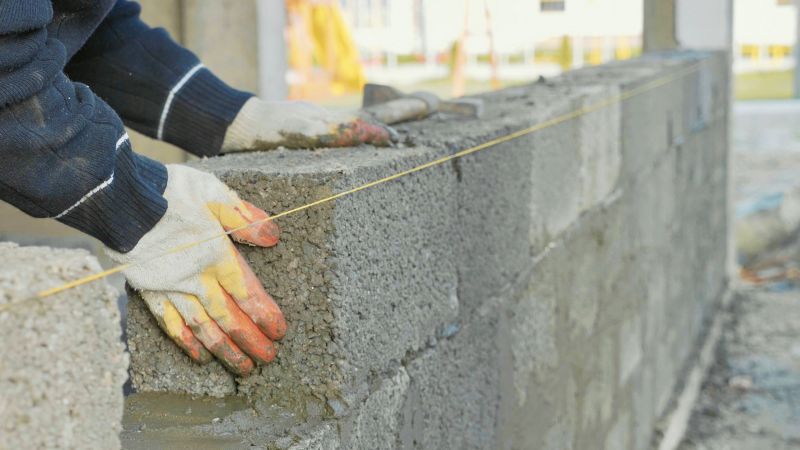
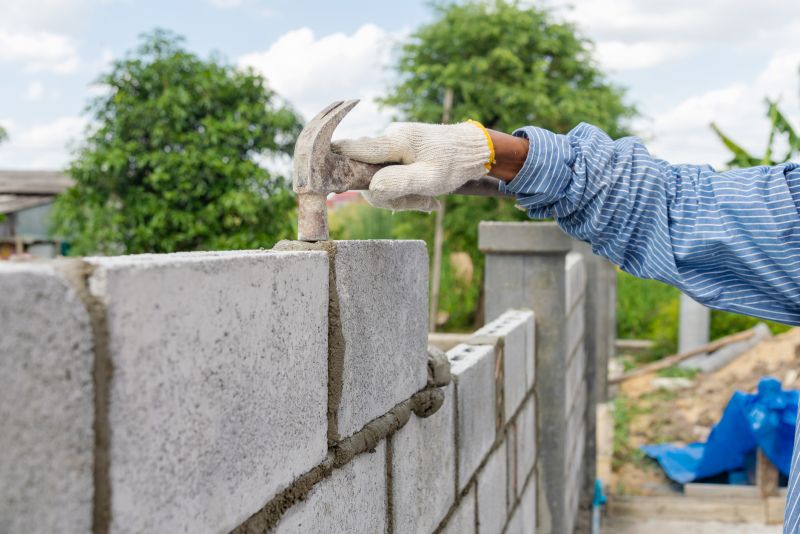
Weather exposure plays a significant role in the long-term health of masonry walls, especially in areas where seasonal changes bring moisture, temperature fluctuations, or heavy precipitation. Over time, exposure to rain, snow, and freeze-thaw cycles can cause cracks, spalling, and deterioration of mortar joints and brick or stone surfaces. Property owners noticing signs of damage might seek out masonry wall repair services to address these issues early and prevent further structural problems. Local contractors experienced in weather-related masonry concerns can assess the damage and recommend appropriate solutions to restore the wall’s integrity.
Understanding how weather exposure impacts masonry walls can help property owners make informed decisions about maintenance and repairs. When masonry materials repeatedly face moisture or temperature extremes, their bond and stability can weaken, leading to potential safety hazards or costly repairs if left unaddressed. Local service providers specializing in masonry repair are equipped to handle weather-related damage, offering services that reinforce and protect walls against future exposure. Connecting with these experts can ensure that masonry structures remain durable and resilient despite ongoing weather challenges.
How does weather exposure impact masonry wall integrity? Weather exposure can cause masonry walls to deteriorate over time through processes like freeze-thaw cycles, moisture infiltration, and erosion, which can weaken the structure. Local contractors experienced in masonry repair can assess and address weather-related damage to restore wall strength.
What signs indicate weather-related damage to a masonry wall? Common signs include cracking, spalling, efflorescence, and loose or crumbling mortar. These issues often result from prolonged exposure to moisture, temperature fluctuations, or freeze-thaw cycles, and local pros can identify and repair these problems.
Can weather exposure lead to long-term damage in masonry walls? Yes, continuous weather exposure can cause long-term damage such as structural weakening, mortar deterioration, and increased vulnerability to further weather-related issues. Local masonry repair specialists can help prevent or mitigate these effects.
How can local contractors help protect masonry walls from weather damage? They can perform maintenance, sealing, repointing, and repairs to improve the wall’s resistance to weather elements and prevent further deterioration caused by exposure to moisture and temperature changes.
Why is it important to address weather-related damage promptly? Addressing damage early can prevent more extensive and costly repairs later, maintaining the masonry wall’s integrity and safety. Local pros can evaluate the damage and recommend appropriate repair solutions to preserve the structure.
Assessing Weather Impact - Property owners can evaluate areas of masonry walls exposed to frequent rain or freeze-thaw cycles to identify potential vulnerabilities that local contractors can repair.
Choosing Protective Materials - Using weather-resistant sealants and coatings recommended by local pros can help prevent moisture penetration and reduce damage over time.
Implementing Drainage Solutions - Proper drainage around masonry walls can minimize water exposure, which local service providers can help install or improve for better protection.
Scheduling Regular Inspections - Routine checks by local contractors can catch weather-related deterioration early and maintain the structural integrity of masonry walls.
If you are thinking about how weather exposure affects masonry wall integrity for a property, this guide is meant to help you understand this topic, the typical project types, and how different options might fit your plans.
When you are ready, you can use the quote form on this page to share a few details about your project. From there, local pros can review the basics and follow up with options that match what you have in mind.